
LaseMD Ultra™ Machine by Aestellar
Redefining Non-Ablative Resurfacing with Power, Precision, and Versatility
At Aestellar, as an importer and distributor of medical beauty devices, we believe that true aesthetic innovation lies in creating technologies that are not only advanced but also highly practical and results-driven. The LaseMD Ultra™ is one of the medical aesthetic devices developed to help physicians design skin-texture recovery programs and address fine lines, acne scars, and uneven skin tone across a wide range of concerns, while tailoring treatment to skin condition, target area, and each individual’s goals.
With non-ablative Fractional Thulium laser technology, it resurfaces skin to a smooth, radiant finish without damaging the upper skin layer, delivering clear results with virtually no downtime, supporting everything from full-face rejuvenation programs and targeted spot treatment through to delivering skincare products into the skin, giving clinics flexible options to develop services and plan treatment.
Getting to Know the LaseMD Ultra™
The LaseMD Ultra™, also widely known as the Lutronic Ultra laser, is a Fractional Thulium facial laser machine using up to 20 watts of power to create tiny points of heat in the skin, without damaging the outer skin layer. It’s suited to addressing a wide range of skin concerns, such as dark spots, melasma, freckles, fine lines, dull skin, and even actinic keratosis, a condition caused by chronic sun damage.
With a beam diameter of just 200 microns and a magnetic roller system that precisely controls energy delivery, the LaseMD Ultra™ can treat the full face within just 6-8 minutes, ideal for clinics that want a device that is both effective and easy to use.
How the LaseMD Ultra™ Works
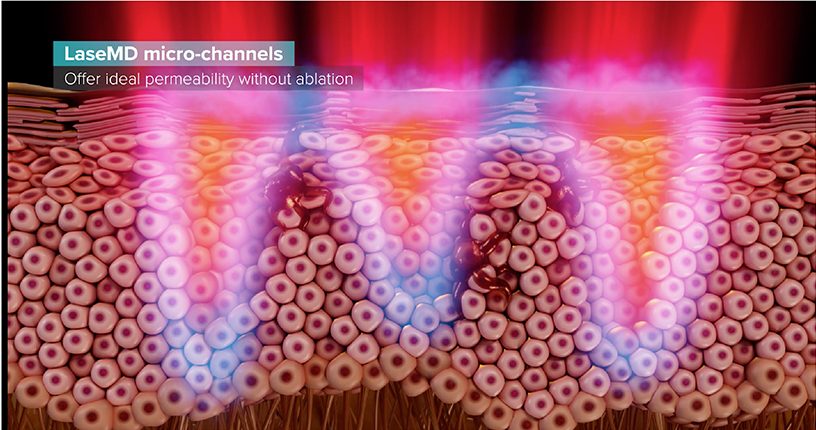
The LaseMD Ultra™ delivers energy into the dermis in tiny points (microthermal zones), stimulating the body to build new collagen and accelerating the skin’s natural recovery process, without affecting the epidermis. It also helps skin better absorb skincare ingredients, without the need for force or harsh chemicals, making it suitable for all skin types.
After treatment, there may be mild redness, slight swelling, or small crusting; symptoms and recovery time depend on the energy level, area treated, and individual skin condition. Skin generally recovers within 5–7 days. Some patients can return to their usual routine right away, and should follow the physician’s aftercare guidance.
What Makes the LaseMD Ultra™ a Strong Addition to Your Clinic
The LaseMD Ultra™ is designed to support both treatment efficiency and flexibility in developing clinic services, with strengths including:
- High power for fast, consistent results
- Addresses multiple skin concerns effectively
- Adjustable energy levels suited to skin condition and treatment goals
- Suited to use alongside other procedures such as RF, microneedling, or HIFU
- Easy to use with a smart on-screen interface
- Comfortable, no downtime, with clear results after treatment
Why Choose the LaseMD Ultra™ with Aestellar?
Aestellar imports and distributes the LaseMD Ultra™ Machine and other premium medical beauty devices, carefully selecting technology that meets standards and is backed by scientific data and research, meeting the real-world needs of physicians and clinics to help expand service options and appropriately differentiate your business.
The LaseMD Ultra™ isn’t just a skin-resurfacing laser machine; it also adds flexibility in designing patient-care programs, from adjusting skin tone and texture, to targeted spot treatment, to delivering skincare ingredients into the skin, helping clinics develop varied services and stand out appropriately.
When you purchase the LaseMD Ultra™ through Aestellar, your clinic also receives consultation on applying the technology, user-team training, and after-sales care, so you can build on the device’s capabilities effectively and with long-term confidence.
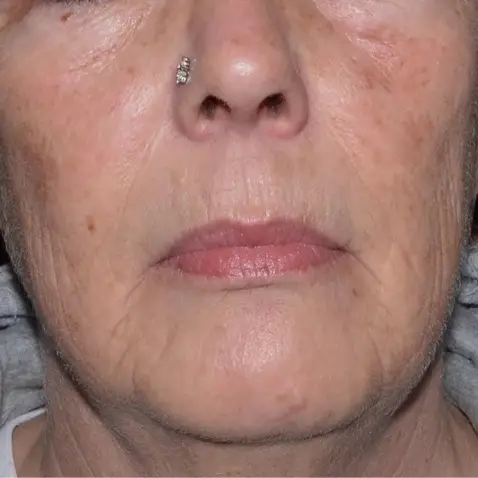
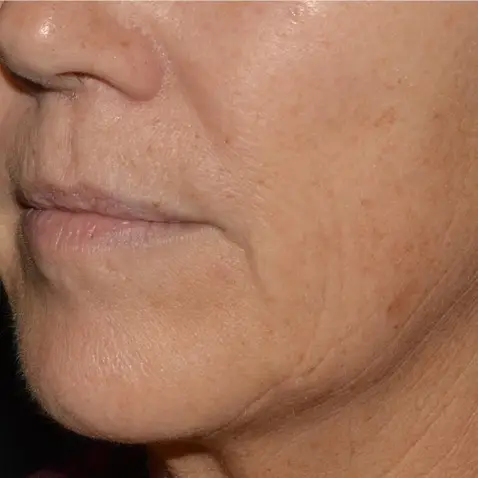
Treatment Results

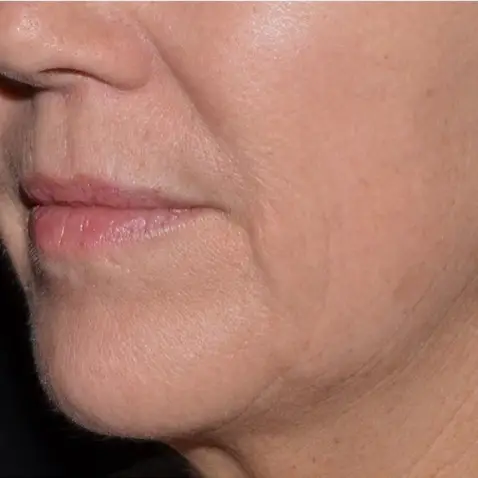
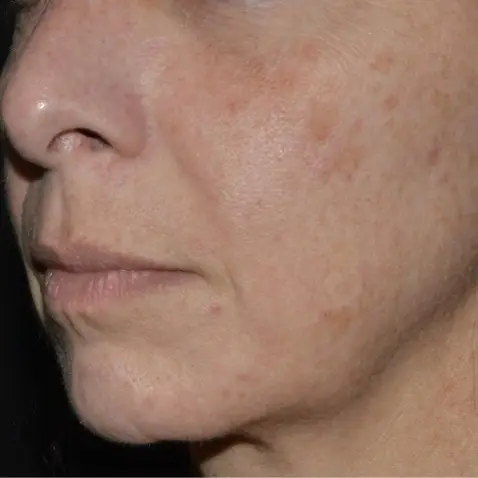
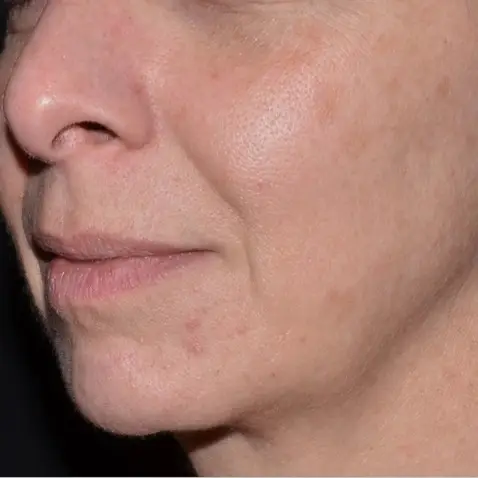
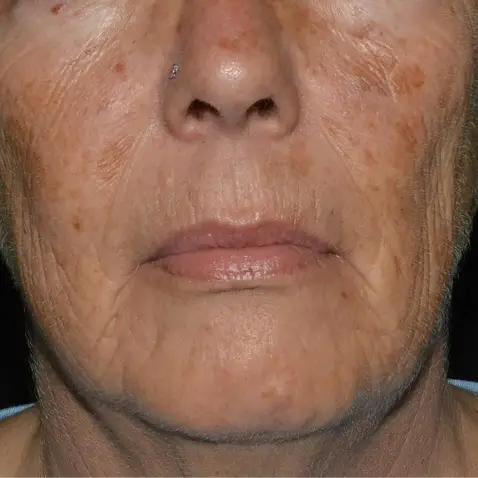
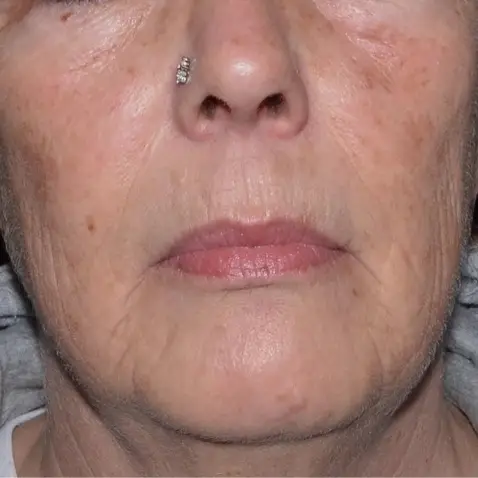
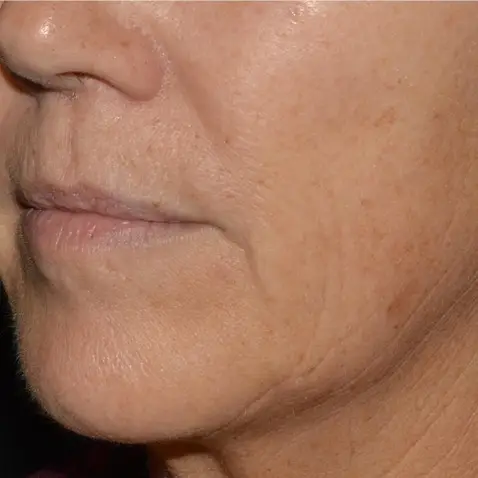
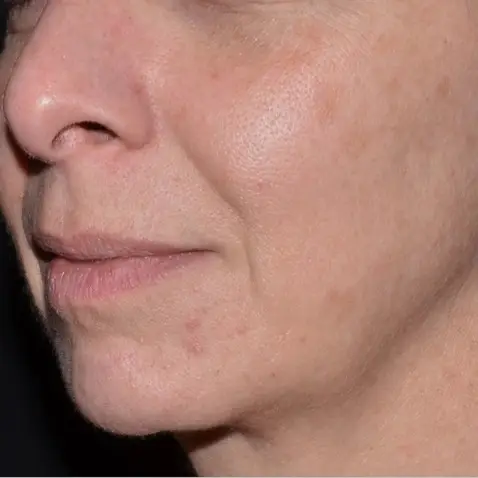
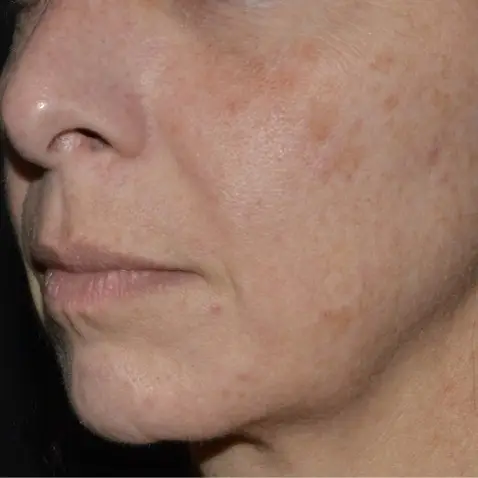
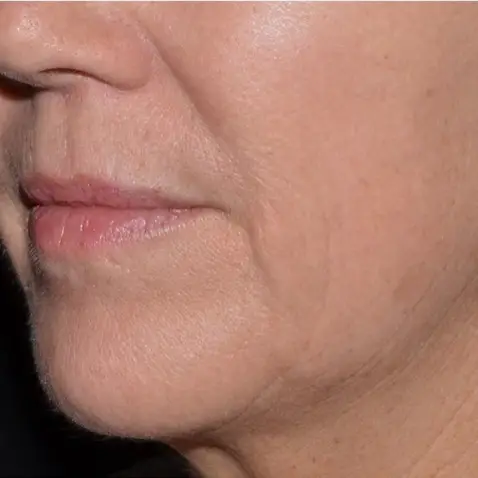
Why Leading Physicians Worldwide Choose the LaseMD Ultra™
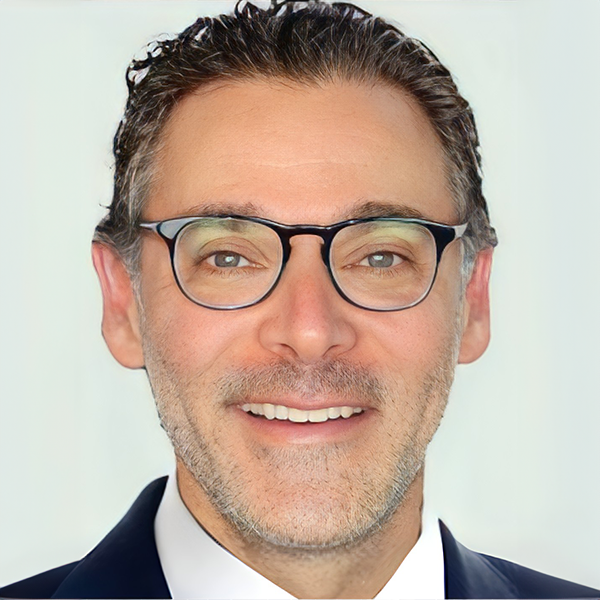
Joel Cohen, MD
Dermatologist
“Lutronic Ultra is my favorite new addition to my practice. It allows me to treat multiple areas quickly, effectively, and for a very low cost. My patients are loving the comfortable treatments and impressive results with very little downtime.”
Aestellar Official Importer and Distributor of the LaseMD Ultra™ in Thailand
Aestellar is a company that imports and distributes premium medical beauty innovation in Thailand, committed to delivering the LaseMD Ultra™, 1927 nm Fractional Thulium technology from Cynosure Lutronic, as a partner that helps elevate the capability and support the growth of aesthetic clinics, dermatology clinics, and healthcare facilities nationwide.
Clinics interested in purchasing the LaseMD Ultra™, or wanting more product details and price, can get consultation from Aestellar covering everything from assessing technology fit with your clinic’s service approach, device trials, and physician/team training, through to maintenance and after-sales care.
Fill out the website contact form to reach the Aestellar team today. For further information, contact us via LINE: @Aestellar or call 063-669-9699
Research and Clinical References
Review the research and clinical literature related to the LaseMD Ultra™ and its 1927 nm Fractional Thulium technology, to inform understanding of its working principles, application approach, and clinical outcomes.

Ultra
Treatment of Café-au-lait Macules Using a Q-switched Laser Followed by Serial Fractional Thulium Laser Treatments
Publication Date: June 30, 2017
Publisher: Medical Lasers
Author(s): Nark-Kyoung Rho
Ultra
Fractional microneedling radiofrequency and fractional 1927 nm thulium laser treatment offer synergistic skin rejuvenation: A pilot case series
Publication Date: December 31, 2018
Publisher: Laser Therapy Journal
Author(s): Sooil Chun
Ultra
Fractional 1,927 nm Thulium Laser Plus Photodynamic Therapy Compared and Combined for Photodamaged Décolleté Skin: A Side‐by‐Side Randomized Controlled Trial
Publication Date: December 1, 2019
Publisher: Lasers in Surgery and Medicine
Author(s): Kristoffer Hendel; Mette Mogensen; Emily Wenande; Christine Dierickx; Merete Haedersdal; Katrine Togsverd-Bo
Ultra
Non‐Ablative 1927 nm Fractional Thulium Fiber Laser: New, Promising Treatment Modality for Riehl’s Melanosis
Publication Date: December 1, 2020
Publisher: Lasers in Surgery and Medicine
Author(s): Su Min Kim; Shinwon Hwang; Abdurrahman Almurayshid; Min-Young Park; Sang Ho Oh
Ultra
Longitudinal Label‐Free Two‐Photon Microscopy of Cellular Healing Processes in Non‐Ablative Fractional Laser Wounds
Publication Date: June 17, 2021
Publisher: Lasers in Surgery and Medicine
Author(s): Seonghan Kim; Viet-Hoan Le; Bumju Kim; Chan Johng Kim; Sin-Hyeog Im; Ki Hean Kim
Ultra
Assessing Light and Energy-Based Therapy by Optical Coherence Tomography and Reflectance Confocal Microscopy: A Randomized Trial of Photoaged Skin
Publication Date: August 27, 2021
Publisher: Dermatology
Author(s): Mette Mogensen; Kristoffer Hendel; Vilde Ung; Emily Wenande; Katrine Togsverd-Bo; Julie L Forman; Merete Haedersdal
Frequently Asked Questions About the LaseMD Ultra™ (FAQs)
Q: Does treatment with the LaseMD Ultra™ cause skin discomfort?
A: Sensation during treatment depends on the energy level, area treated, and individual sensitivity. Patients may feel warmth, slight tingling, or mild-to-moderate discomfort. For sensitive areas or higher energy levels, the physician may consider topical anesthetic to improve comfort.
Q: How long does treatment take, and is downtime required?
A: Treatment generally takes about 5–20 minutes, depending on the size of the target area and treatment approach chosen. Afterward there may be mild redness, slight swelling, or small crusting, which typically fades and sheds naturally within about 3–7 days. Some patients can return to daily activities right away, but may need to avoid sun exposure and irritating products per the physician’s guidance.
Q: How many sessions are needed for the best results?
A: The number of sessions depends on skin condition, the concern being treated, energy level, and individual goals. Some patients begin to notice a change after the first session, while others benefit from multiple ongoing sessions; some usage guidelines indicate roughly 3–6 sessions. The physician should assess and plan the treatment individually.
Q: Is the LaseMD Ultra™ suitable for all skin types?
A: The LaseMD Ultra™’s usage guidelines cover Fitzpatrick Skin Types I–VI. This does not mean every patient is suited to every program, however — skin condition, treatment history, underlying conditions, medications, and precautions should be assessed beforehand, so the physician can select an appropriate energy level and treatment approach.
Q: How does the LaseMD Ultra™ differ from an ablative fractional laser like CO2 Fractional?
A: The LaseMD Ultra™ is a non-ablative Fractional Thulium laser at 1927 nm, working by creating heat zones and tiny channels beneath the stratum corneum without vaporizing the upper tissue the way an ablative laser does. CO2 Fractional, by contrast, is an ablative laser that creates tiny ablative heat columns beneath the skin, which may suit concerns requiring more intensive structural change but can bring more redness, crusting, and downtime. Technology choice should consider the skin concern, treatment goal, and downtime the patient can accept.
Q: Can the LaseMD Ultra™ be used together with other Aestellar devices such as XERF or DermaV?
A: Physicians may consider combining the LaseMD Ultra™ with XERF, DermaV, or other technologies in a treatment plan, since each device has a different working principle and care goal — combining them may help physicians design a program that addresses more skin concerns. However, the physician must determine procedure order, energy levels, spacing between treatments, and aftercare suited to each individual’s skin condition; the same treatment approach should not be applied to every patient.